

How to Fix an Overbite Naturally in 2026 – Complete Guide
If you are wondering how to fix an overbite naturally, without braces, aligners, or surgery, you are not alone. It is one of the most searched questions in dental health.
Here is the honest answer from our orthodontists at Elate Orthodontics: natural methods can genuinely help improve jaw alignment and relieve symptoms, especially if your overbite is mild or still developing. But they will not completely correct a moderate to severe overbite. This guide covers what works, what does not, and when it is time to see a professional.
What Exactly Is an Overbite?
An overbite occurs when your upper front teeth significantly overlap your lower front teeth. Some overlap is completely normal — about 1 to 2 millimeters is expected in a healthy bite. The problem starts when the overlap is deeper than that.
A deep overbite can cause jaw pain and TMJ issues, headaches or neck tension, uneven tooth wear, speech challenges, and a recessed chin or shortened lower facial profile. Left untreated, most overbites worsen gradually as back teeth wear down and the overlap deepens.
What Causes an Overbite?
Most overbites are a combination of genetics and jaw growth that did not develop symmetrically. Early childhood habits like thumb-sucking or prolonged pacifier use can push the upper teeth forward and contribute to an overbite. Tongue thrusting, mouth breathing, and poor posture can also make an existing overbite worse over time. In some cases the cause is purely skeletal, meaning the upper and lower jawbones themselves are different sizes, which requires a different treatment approach than a dental overbite.
Can You Fix an Overbite Without Braces?
You can support better jaw alignment and reduce symptoms through good habits, tongue posture, and facial muscle training. For mild overbites that are still developing, especially in children, these approaches can have a meaningful impact. For moderate to severe overbites, they will improve quality of life but will not fix the underlying bite.
The reason natural methods have a ceiling is structural. Tongue posture and jaw exercises work on soft tissue and muscle. They cannot move teeth through bone or reposition the jaw relationship itself. That requires orthodontic forces applied over time.
5 Natural Techniques That May Help
1. Tongue Posture (Mewing)
Where you rest your tongue at all times, not just when eating or speaking, has a real influence on jaw development. The correct resting position is the entire tongue pressed gently against the roof of your mouth, lips sealed, breathing through your nose, with teeth slightly apart.
This practice, sometimes called mewing, trains the tongue and jaw muscles to support a healthier bite position over time. It is most effective in children and adolescents whose facial bones are still developing, but adults may notice relief from jaw tension. See our detailed overview: Mewing — Can It Improve Your Bite?
2. Jaw Exercises
Strengthening and coordinating the muscles around your jaw can reduce tension and improve bite symmetry. Useful exercises include slow, controlled opening and closing of the mouth 10 to 15 times, gentle side-to-side jaw shifts to stretch the lateral muscles, and chewing sugar-free gum to maintain muscle activity throughout the day.
These exercises improve neuromuscular coordination and may ease discomfort associated with a deep bite. They will not reposition the jaw structurally.
3. Breaking Bad Oral Habits
Certain habits actively worsen an overbite over time, especially in children. The most common are thumb-sucking, nail-biting, chewing on pens or pencils, prolonged pacifier use past age 3, and sleeping face-down or resting a hand against the chin.
Breaking these habits will not reverse an established overbite but will prevent it from worsening. For children, addressing these habits early, ideally before age 7, can significantly reduce the severity of treatment needed later.
4. Myofunctional Therapy
Myofunctional therapy is structured exercise for the tongue, lips, and facial muscles, performed under the guidance of a trained orofacial myologist or speech-language pathologist. It targets the root causes of poor jaw posture rather than just the symptoms. Sessions focus on improving tongue positioning and resting posture, retraining swallowing patterns, strengthening lip seal and nasal breathing, and coordinating the muscles involved in chewing and speaking.
It is most effective when started early and is often used alongside orthodontic treatment to improve outcomes and reduce relapse. Adults who never addressed these patterns can also benefit significantly.
5. Nutrition and Posture
Diet and posture are supporting factors, not fixes — but they matter. A diet that includes foods requiring real chewing (whole fruits and vegetables, lean meats) provides natural jaw exercise and promotes healthy bone density. Adequate calcium and vitamin D support jaw bone quality. Poor posture, particularly forward head posture, affects the position of the lower jaw relative to the skull and can increase jaw tension and bite asymmetry over time.
Sitting and standing tall with your head aligned over your shoulders is one of the simplest things you can do to reduce unnecessary stress on your jaw joints.
Why Natural Methods Have Their Limits
An overbite exists because of the way teeth have erupted and/or because the upper and lower jaws are different sizes. Muscles, tongue posture, and breathing patterns influence how the jaw develops, but they cannot move teeth through bone once the permanent dentition is in place. That requires sustained, calibrated force over months — which is exactly what braces and aligners provide.
Natural methods are most valuable as prevention (in young children), as a complement to orthodontic treatment, and for managing symptoms like jaw tension and headaches in adults who cannot or choose not to pursue orthodontic treatment. They are not a substitute for treatment when the overbite is moderate, severe, or causing functional problems.
When to Seek Professional Treatment
Braces or Clear Aligners
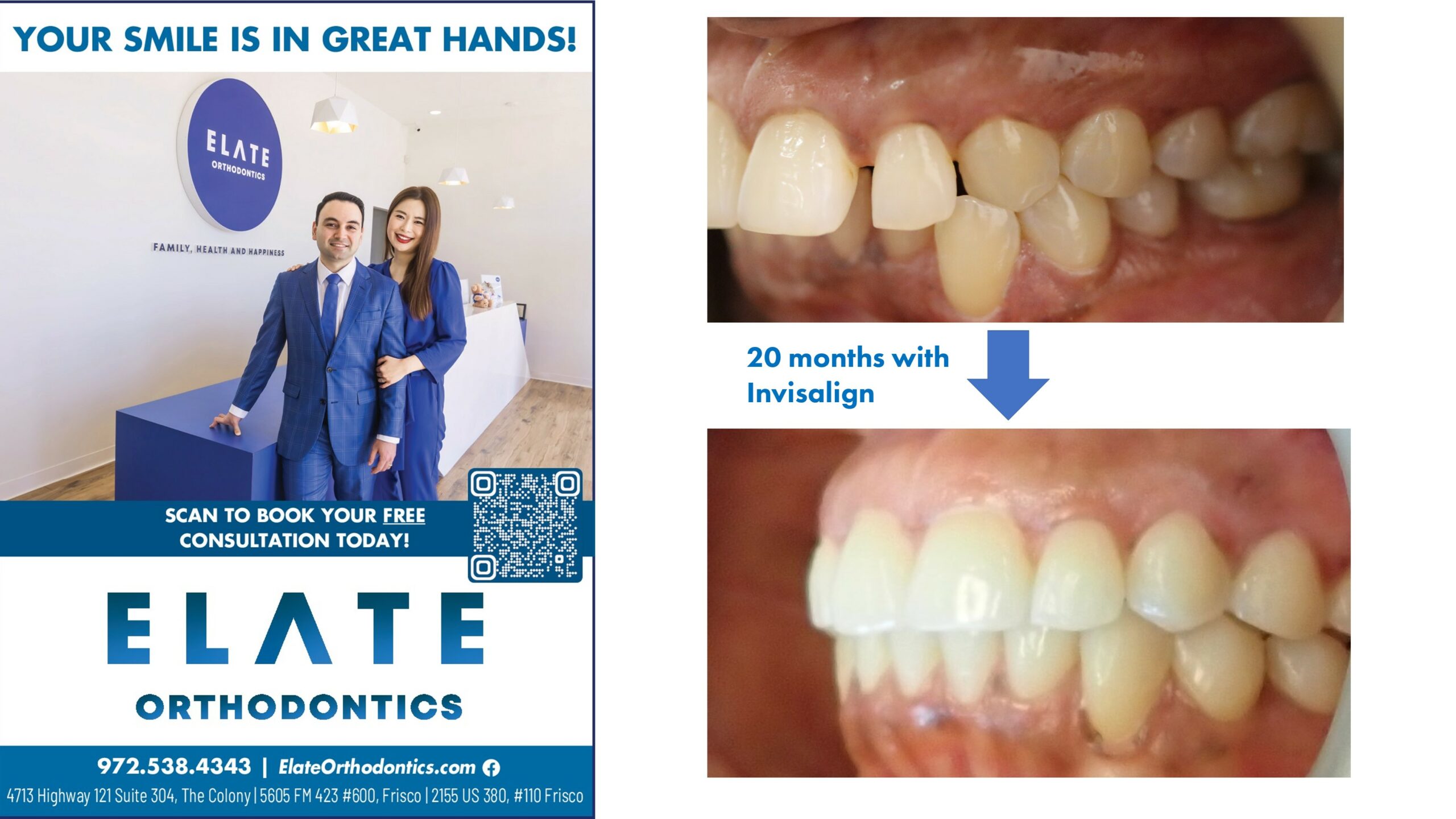
The first-line treatment for most overbites. Braces and aligners move teeth gradually and, with the help of rubber bands, guide the jaw into better alignment. At Elate we treat kids, teens, and adults with metal braces, clear braces, Angel Aligners, and Invisalign.
Early Orthodontic Treatment (Phase 1)
For children whose overbite is caught before all permanent teeth have erupted, Phase 1 treatment can guide jaw development while growth is still happening. This is one of the most effective windows. The AAO recommends a first orthodontic evaluation by age 7. Learn about our pediatric orthodontics approach.
Orthognathic Surgery
For adults with a significant skeletal overbite, where the jaw bones themselves are differently sized, braces alone may not be enough. Orthognathic surgery repositions the jaw and is typically combined with orthodontic treatment. This is reserved for cases where the skeletal discrepancy is too large to treat with orthodontics alone — it is not common.
Frequently Asked Questions About Overbites
Can I fix my overbite by myself?
You can reduce symptoms and prevent the overbite from worsening through tongue posture, jaw exercises, breaking bad habits, and myofunctional therapy. A mild overbite in a growing child may also respond to these measures. However, most established overbites require professional treatment to actually correct the bite relationship.
What is the fastest way to fix an overbite?
Braces or clear aligners are the most proven, time-tested approach. Treatment duration depends on severity — most cases take 12 to 24 months. For children caught during the growth phase, Phase 1 early treatment can sometimes intercept the overbite before it fully develops, which shortens total treatment time.
Can you fix an overbite with jaw exercises?
Jaw exercises strengthen the muscles around the joint and can reduce tension, discomfort, and asymmetry in muscle use. They will not move teeth or reposition bones. Think of them as supportive care, not a fix.
Does chewing gum help the jawline or bite?
Mildly. Chewing gum (sugar-free) exercises the jaw muscles and encourages symmetrical muscle use. It does not change the position of the teeth or the jaw relationship, but it is a low-effort habit that supports overall jaw muscle health.
Is surgery ever necessary for an overbite?
In a minority of adult cases, yes. When the overbite is skeletal in nature and the jaw size discrepancy is significant enough that orthodontics alone cannot compensate, orthognathic surgery combined with braces is the appropriate treatment. We always explore the least invasive option first and will be upfront with you about whether surgery is actually necessary for your case.
What age should an overbite be treated?
The AAO recommends a first orthodontic evaluation at age 7, even if no treatment is needed yet. This allows us to identify an overbite while growth is still happening and plan intervention at the optimal time. Adults can also be treated effectively, though treatment options differ from those available during childhood growth.
Not Sure How Serious Your Overbite Is?
A free consultation with Dr. Baharvand or Dr. Kang will tell you exactly what you are dealing with and what your options are, including whether natural approaches are realistic for your situation. No pressure, no obligation.
Three locations in Frisco, The Colony, and Prosper TX. Call: 972-538-4343