



InSmile Lingual Braces: Is Hidden Orthodontics Making a Comeback?
In orthodontics, “hidden braces” have always sounded appealing. The idea is simple. Straighten teeth without anyone seeing the braces. Instead of placing brackets on the front of the teeth, lingual braces are placed on the inside surface facing the tongue.
In theory, this sounds like the perfect solution for adults who want orthodontic treatment but do not want visible appliances.
Yet despite the concept being around for decades, lingual braces have never gained widespread adoption in the United States.
Recently a new system called InSmile Lingual Braces has begun promoting itself to orthodontists. Their website highlights digital customization and modern design. But the big question many orthodontists are asking is simple.
Is this truly new technology, or just another version of a concept that has repeatedly struggled in the past?
Let’s take a closer look.

The Long History of Lingual Braces
Lingual orthodontics is not new. The concept dates back to the 1970s and 1980s. Several systems over the years have tried to bring lingual treatment into mainstream orthodontics.
Some of the most well known include:
All of these systems promised similar benefits.
Invisible orthodontic treatment
Custom brackets designed for each patient
Digital treatment planning
High precision tooth movement
Despite these innovations, lingual braces have consistently struggled in the American market.
Many orthodontists experimented with them. Some incorporated them briefly. Most eventually stopped offering them.
The reason is not lack of engineering. It comes down to patient experience and clinical practicality.
The Core Problem: Patient Comfort
One of the biggest challenges with lingual braces has always been comfort.
When braces are placed on the inside of the teeth, they sit directly against the tongue. The tongue is one of the most sensitive muscles in the body and moves constantly during speaking, eating, and swallowing.
Patients often experience:
Tongue irritation
Speech changes
Difficulty adapting during the first weeks
Ulcers or soreness
Even when patients adapt, the process can be uncomfortable compared to other orthodontic options.
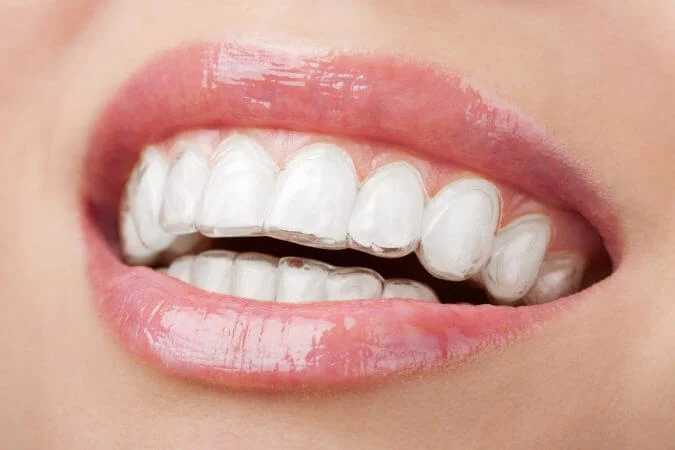
This is one of the major reasons clear aligners became so popular. Aligners remove the brackets completely and are far more comfortable for most adults.

Speech Problems with Lingual Braces
Another major barrier to lingual orthodontics has been speech interference.
Because the tongue touches the back of the front teeth during many sounds, brackets in that area can disrupt speech patterns.
Patients often notice difficulty with sounds such as:
S
T
D
L
For professionals who rely on clear speech such as teachers, lawyers, or public speakers, this can become a serious issue.
While speech often improves with time, the adjustment period can be frustrating.
Clinical Challenges for Orthodontists
Lingual orthodontics is also much more technically demanding for doctors.
Working on the tongue side of the teeth significantly reduces visibility and access. Bonding brackets accurately becomes harder. Adjustments take longer. Emergency visits can increase.
Other challenges include:
Longer chair time
More complicated wire adjustments
Higher laboratory costs
Higher risk of bond failures
These factors increase stress for both the doctor and the patient.
Because of this, many orthodontists found that the clinical effort did not match the benefit compared to modern aligner systems.
Finishing and Detailing Can Be Difficult
Another practical issue with lingual braces is finishing cases and detailing the final bite.
Orthodontists know that the last part of treatment is often the most important. Small adjustments are needed to refine tooth positions, coordinate the bite, and achieve the best possible smile and function.
With lingual braces, detailing these final movements can be challenging because:
Access to the brackets is limited
Adjustments are more difficult to perform precisely
Visualization of tooth movement is reduced
As a result, some orthodontists who start cases with lingual systems end up using clear aligners to finish the treatment.
Aligners can provide better control for small refinements and allow doctors to fine tune the final results more predictably.
When that happens, the treatment becomes a hybrid approach rather than a purely lingual system.
The High Breakage and Bond Failure Rate
Another historical issue with lingual braces has been bond failure rates.
Because brackets sit in a moist environment with constant tongue pressure, they can detach more easily than traditional braces.
When brackets break on the inside of the teeth, repairs are also more difficult.
Patients often need additional appointments to address broken attachments or irritation.
This leads to frustration and sometimes longer treatment times.
What Happened to Earlier Lingual Systems?
Several companies have attempted to revive lingual orthodontics over the past decade.
Some gained attention for a short time but struggled to maintain traction.
Incognito
Incognito was one of the most well known lingual systems. It offered fully customized brackets manufactured through digital workflows.
Despite the technology, adoption remained limited.
Brius
Brius introduced a unique approach using independent lingual arms rather than traditional wires. The concept was innovative but never gained widespread adoption among orthodontists.
InBrace
InBrace was perhaps the most heavily marketed lingual system in recent years.
The company promoted hidden treatment using smart wires and advanced digital planning.
However, the system faced significant challenges.
Many orthodontists reported difficulties with treatment predictability and appliance management. More concerning, when the company shut down operations, some patients were left mid treatment with no clear options to continue their care.
Orthodontic treatment often lasts 18 to 24 months, and patients depend on the stability of the systems used to treat them.
That situation raised understandable concerns among both doctors and patients.
Where Does InSmile Fit In?
InSmile is now entering this same space.
Based on available information, the system appears to follow a similar model to earlier lingual systems.
Customized lingual brackets
Digital treatment planning
Hidden orthodontic mechanics
While the branding and manufacturing may be new, the core concept appears very similar to earlier lingual appliances.
At this point it is unclear whether InSmile has solved the longstanding challenges that lingual braces have faced.
Those challenges include:
Patient comfort
Speech adaptation
Bond failures
Clinical complexity
Finishing and detailing cases
Market adoption
Orthodontists will likely watch carefully to see whether this system can overcome issues that have limited lingual orthodontics for decades.
Why Clear Aligners Changed Everything
While lingual braces were trying to solve the problem of visible orthodontics, another technology quietly took over the market.
Clear aligners.
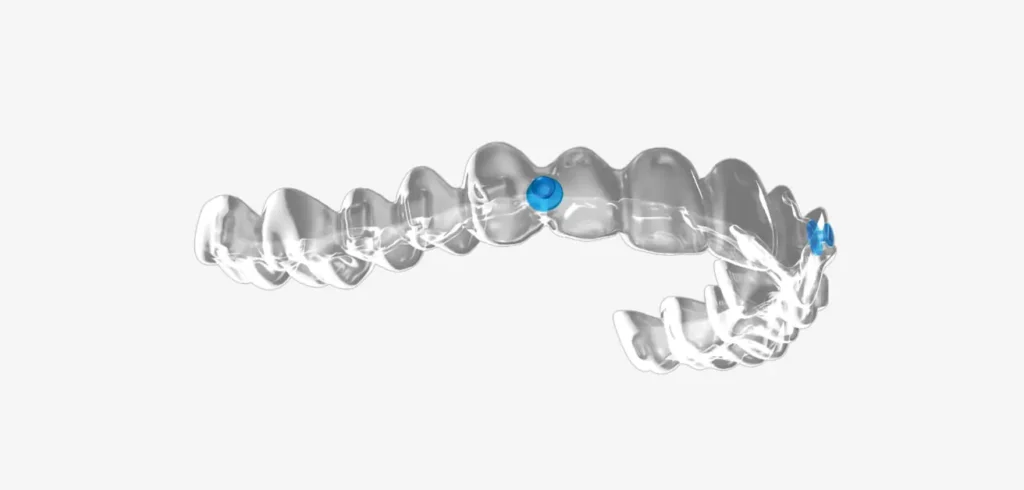
Aligners solved many of the same patient concerns but with fewer compromises.
Advantages include:
Nearly invisible appearance
Removable for eating and brushing
Minimal speech interference
Greater comfort for most patients
Because of this, aligners quickly became the preferred choice for adults seeking discreet orthodontic treatment.
Today, aligners represent a significant portion of orthodontic care in the United States.
The Reality of Hidden Orthodontics
Patients often ask for “invisible braces,” but the definition of invisible treatment has changed.
In the early 2000s, lingual braces seemed like the answer.
In the 2020s, aligner therapy has largely filled that role.
That does not mean lingual braces will disappear completely. There may always be niche cases where they are useful.
However, widespread adoption has historically been difficult.
The Bottom Line
InSmile Lingual Braces are the latest attempt to revive hidden orthodontic treatment using lingual appliances.
The technology may have improved manufacturing and digital planning. But the underlying challenges of lingual orthodontics remain.
Comfort issues
Speech interference
Complex clinical management
Finishing limitations
And uncertainty around long term adoption
For now, most orthodontists continue to rely on proven treatment methods such as braces and clear aligners, which offer predictable outcomes and a more comfortable patient experience.
Innovation is always welcome in orthodontics. But history shows that success depends not just on engineering but on whether a system truly improves the experience for both patients and doctors.