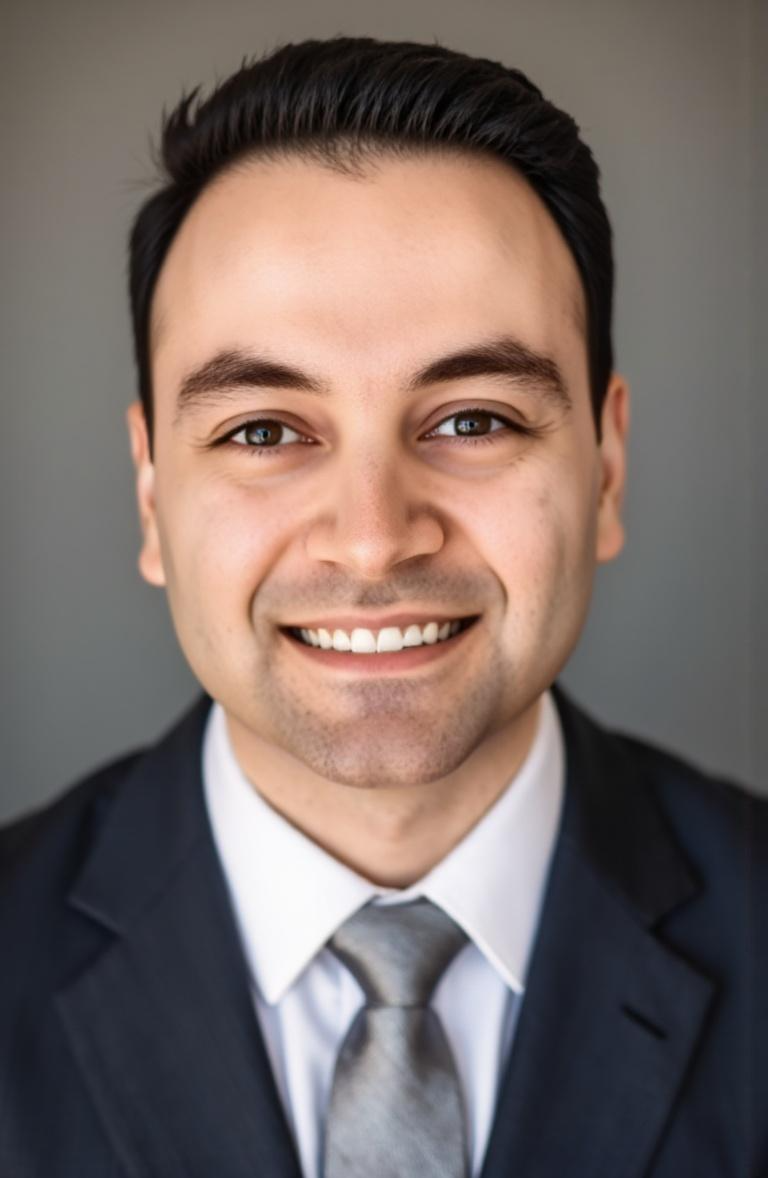



7 min read · By Dr. Kevin Baharvand, Diplomate, American Board of Orthodontics
Short answer: Phase 1 is early, limited treatment while a child still has baby teeth, usually to guide jaw growth or fix a developing problem. Phase 2 is the full alignment of the permanent teeth, typically in the early teens. Most children only ever need one phase. Two-phase treatment is for specific issues that are easier to correct while the jaws are still growing.
On this page
Parents ask me some version of this constantly: my child is seven, another mom said her kid already has an expander, are we behind? The short version is no, you’re almost certainly not behind. Early treatment gets talked about like every kid needs it. Most don’t. But for the ones who do, timing genuinely changes what’s possible. So it’s worth understanding the difference.
What two-phase treatment means
Two-phase orthodontics splits treatment into two separate rounds with a break in between. The first round happens while a child still has a mix of baby and permanent teeth. The second happens later, once all the permanent teeth are in. Between them is a monitoring period that can last a couple of years.
The reason to split it up comes down to growth. Some corrections are far easier while the jaws are still developing, because we can guide bone that hasn’t finished forming. Wait until the teenage years and that same correction might need extractions, or in a few cases surgery, to accomplish the same result. Phase 1 exists to take advantage of that window.
What Phase 1 does
Phase 1, sometimes called early or interceptive treatment, usually runs between ages six and ten. It isn’t about making every tooth straight. It’s about fixing the underlying problem that would otherwise get worse. That might mean widening a narrow upper jaw with a palate expander, correcting a crossbite, creating room for crowded teeth, or stopping a habit like thumb sucking from reshaping the bite.
A typical Phase 1 lasts six to twelve months of active treatment. The appliances are limited: an expander, a partial set of braces on just the front teeth, or a space maintainer. Then it stops. The child isn’t in braces for years on end waiting for teeth that haven’t erupted yet.
What Phase 2 does
Phase 2 is what most people picture when they think of braces: a full course of treatment once all the permanent teeth are in, usually starting around ages eleven to fourteen. This is where the whole bite gets aligned and finished, with braces or clear aligners. When aligners fit the case, we prefer Angel Aligners over Invisalign for comfort and fit, though Invisalign is the brand most families recognize. Both are clear-aligner systems; Invisalign is just the best-known name.
Here’s the part worth holding onto. Most children go straight to Phase 2 as teenagers and never need a Phase 1 at all. A single, well-timed phase in the early teens handles the majority of cases just fine.
Phase 1 vs Phase 2 at a glance
| Phase 1 (early) | Phase 2 (comprehensive) | |
|---|---|---|
| Typical age | 6 to 10, mixed teeth | 11 to 14, all permanent teeth |
| Main goal | Guide jaw growth, create room, fix a developing problem | Align every tooth, finalize the bite |
| Common tools | Expander, partial braces, space maintainer | Full braces or clear aligners |
| Active length | 6 to 12 months, then monitoring | 12 to 24 months |
| Typical cost | $1,000 to $4,000 | $3,000 to $7,000 |
What it costs
The cost question is fair, because two phases mean two treatments. A Phase 1 course generally runs somewhere around $1,000 to $4,000 depending on the appliances involved, and a full Phase 2 lands in the same range as regular braces, roughly $3,000 to $7,000. Add them together and two-phase treatment usually costs more than a single phase would have.
So the honest way to think about it is value, not just price. When Phase 1 solves something that would otherwise require extractions or surgery later, it earns its cost. When it doesn’t, waiting for a single phase is the smarter money. That’s the whole judgment call, and it’s why we don’t recommend early treatment reflexively. You can estimate monthly payments with our finance calculator, and we stay in-network with most PPO plans.
Watch for this: If someone recommends Phase 1 for a young child, ask what specific problem it solves and what happens if you wait. A good answer is concrete, like “the crossbite will shift her jaw growth if we don’t correct it now.” A vague answer is a reason to get a second opinion.
Does your child actually need Phase 1?
The kids who benefit most from early treatment tend to share a handful of signs: a crossbite, a severely narrow upper jaw, serious crowding with no room for teeth to come in, front teeth that stick out far enough to be at risk in a fall, or a lingering habit that’s reshaping the bite. A tongue tie that’s pushing the teeth apart can factor in too.
If none of that is going on, an early visit usually ends with a plan to watch and wait, not a set of braces. That’s a good outcome. The point of seeing an orthodontist by age seven isn’t to start treatment early. It’s to catch the few problems that are better handled now, and to reassure the many families who can safely wait.
Frequently asked questions
Does every child need two phases of treatment?
No, and this is the most important thing to understand. Most children only ever need one round of orthodontics as a teenager. Phase 1 is for a smaller group of kids with specific problems that are easier to fix while the jaws are still growing.
What age is Phase 1 treatment for?
Phase 1 usually happens between about ages 6 and 10, while a child still has a mix of baby and permanent teeth. The American Association of Orthodontists recommends a first orthodontic checkup by age seven so any early problems get caught in time.
Is two-phase treatment more expensive than waiting?
Often, yes. Two phases mean two separate treatments, so the combined cost is usually higher than a single phase of braces or aligners as a teen. The value comes from problems that are genuinely easier, and sometimes only possible, to correct while a child is still growing.
What happens between Phase 1 and Phase 2?
A resting period. After Phase 1, we monitor your child every several months while the remaining baby teeth fall out and the permanent teeth come in. No appliances are usually worn during this stretch, though a retainer may be used to hold the gains.
Can Phase 1 help my child avoid braces later?
Sometimes, but not always, and it is not the main goal. Phase 1 is about guiding growth and fixing developing problems. Many kids still need Phase 2 to finish aligning the permanent teeth, though the second phase is often simpler because of the groundwork laid early.
What problems does Phase 1 treatment address?
Crossbites, severe crowding, a narrow upper jaw, protruding front teeth at risk of injury, and habits like thumb sucking or tongue thrust. These are the situations where early action makes the biggest difference.
Wondering if your child needs early treatment?
The honest answer is often “not yet, let’s watch.” A free evaluation tells you whether your child is one of the kids who truly benefits from Phase 1, or one who can simply wait. No pressure either way.
You may also be interested in these
- Palate Expanders: What Parents Should Know
- Understanding Childhood Bruxism: Causes, Symptoms, and Treatment
- Tongue Tie and Orthodontic Issues: How It Affects Your Bite
Why families trust Elate Orthodontics
With over 1,000 five-star reviews across three locations, Elate Orthodontics is led by Dr. Kevin Baharvand, DMD, MS, a Diplomate of the American Board of Orthodontics, whose clinical work was recently selected for the cover of the American Journal of Orthodontics and Dentofacial Orthopedics, the most prestigious peer-reviewed journal in the field, and a national speaker on clear aligner treatment. Alongside Dr. Julia Kang, DMD, MS, both Boston University graduates and members of the Omicron Kappa Upsilon national honor society, our husband-and-wife team has been recognized as D Magazine Best Dentist 2026, Living Magazine Readers’ Choice 2026 Best Orthodontist in Frisco & Plano, Readers’ Choice Best Orthodontist in The Colony, Best New Business by the Chamber of Commerce, Nextdoor Neighborhood Favorite, and featured in Orthotown and Authority Magazine.
We serve families through three convenient offices in West Frisco, North Frisco, and The Colony, each staffed by the same trusted team, equipped with advanced technology, and committed to the personalized approach that consistently helps patients finish treatment sooner than expected. From braces and clear braces to Angel Aligners, we offer treatment for every age and every stage of life. We stay in-network with most insurance plans and offer flexible financing to make exceptional orthodontic care accessible for every family we serve.
Need general and family dentistry too? Our sister practice, Tribute Family Dentistry, provides dental care for all ages.
Book a free consultation: 972.538.4343
About the author
Dr. Kevin Baharvand, DMD, MS, is a Diplomate of the American Board of Orthodontics and a national speaker on clear aligner treatment. He practices at Elate Orthodontics’ offices in West Frisco, North Frisco, and The Colony, Texas.